
No products in the cart.
Psychedelics Mushrooms USA
Psilocybe mexicana
22
Jun
Jun
Psilocybe mexicana is a species of mushroom belonging to the Psilocybe genus and is recognized for its historical, cultural, and scientific significance. Native to parts of Mexico and Central America, this mushroom has been documented in ethnomycological studies for its traditional ceremonial use among certain Indigenous communities. Today, it is widely studied by mycologists, ethnobotanists, and researchers interested in fungal biology and naturally occurring compounds.
This species is relatively small compared to some other Psilocybe mushrooms, featuring slender stems, bell-shaped to convex caps, and dark purple-brown spores. It naturally grows in humid grasslands and subtropical environments, particularly during rainy seasons.
Beyond its role in traditional cultures, Psilocybe mexicana has become an important subject in scientific research related to taxonomy, ecology, natural product chemistry, and neuroscience. Because laws regarding this species vary greatly across countries and regions, anyone seeking information should be aware of the legal regulations that apply in their jurisdiction.
Botanical Classification
Psilocybe mexicana belongs to the following taxonomic classification:
- Kingdom: Fungi
- Division: Basidiomycota
- Class: Agaricomycetes
- Order: Agaricales
- Family: Hymenogastraceae
- Genus: Psilocybe
- Species: Psilocybe mexicana
It naturally grows in warm climates with abundant rainfall and nutrient-rich soils.
Physical Characteristics
Typical identifying features include:
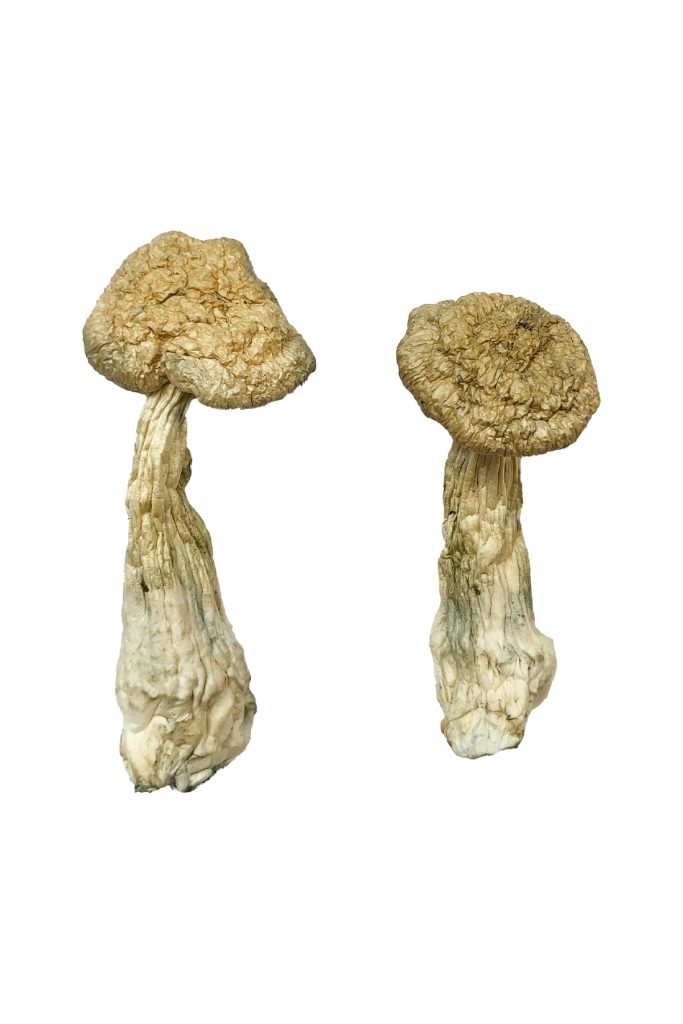
- Small golden-brown to caramel-colored cap
- Thin, pale stem
- Purple-brown spore print
- Delicate fruiting body
- Bluish discoloration when bruised in some specimens
Appearance may vary depending on environmental conditions, maturity, and natural variation.
Naturally Occurring Compounds
Like several other species within the Psilocybe genus, Psilocybe mexicana contains naturally occurring compounds including:
- Psilocybin
- Psilocin
- Baeocystin (in small quantities)
- Norbaeocystin (trace amounts)
Researchers continue to study these compounds to better understand their chemistry and biological effects. Current research is ongoing, and many questions remain under investigation.
Historical and Cultural Importance
Psilocybe mexicana holds an important place in ethnomycology due to its documented ceremonial use among certain Indigenous peoples of Mexico. Historical records indicate that this species played a role in spiritual and religious traditions long before modern scientific study.
Anthropologists, historians, and ethnobotanists continue to examine these practices to better understand their cultural context and historical significance.
Scientific Research
In recent decades, scientific interest in Psilocybe mexicana has expanded. Researchers are studying the naturally occurring compounds found in this species under carefully controlled laboratory and clinical conditions. Areas of investigation include neurobiology, pharmacology, and mental health research.
These studies are conducted within regulated research environments. Current findings should not be interpreted as evidence that this mushroom is an approved treatment for any medical condition outside authorized clinical settings.
Habitat and Distribution
Psilocybe mexicana is commonly found in:
- Humid grasslands
- Meadows
- Grazing fields
- Subtropical regions
- Areas with seasonal rainfall
Unlike wood-decaying mushrooms, this species is typically associated with grassy environments.
Legal Considerations
The legal status of Psilocybe mexicana varies considerably around the world. In many jurisdictions, possession, cultivation, sale, or use may be restricted or prohibited by law. Some regions permit limited scientific research or have different legal frameworks regarding psilocybin-containing fungi.
Anyone researching or studying this species should familiarize themselves with the laws applicable in their location.
Storage and Preservation
For legally possessed research or educational specimens, proper storage generally includes:
- Keeping specimens in a cool, dry location
- Protecting them from excess moisture
- Using airtight containers where appropriate
- Avoiding prolonged exposure to sunlight
- Clearly labeling samples for identification
Proper preservation supports long-term study and observation.
Advantages of Psilocybe mexicana
Although primarily discussed in educational and scientific contexts, several characteristics make this species noteworthy.
1. Historical Significance
Psilocybe mexicana has one of the richest documented cultural histories among mushroom species, making it valuable for anthropological and historical research.
2. Scientific Interest
The species has contributed to modern understanding of fungal biology, natural compounds, and neuroscience research.
3. Educational Value
Students of mycology, biology, and ethnobotany frequently study this species because of its taxonomy and historical importance.
4. Contribution to Fungal Research
Research involving Psilocybe mexicana has expanded knowledge of fungal diversity and naturally occurring bioactive compounds.
5. Ecological Role
Like many fungi, it contributes to nutrient cycling and ecosystem balance within its natural habitat.
6. Ongoing Clinical Research
Its naturally occurring compounds continue to be investigated in carefully controlled scientific studies, contributing to a growing body of research.
7. Cultural Preservation
Studying this species helps preserve knowledge of Indigenous traditions and the historical relationships between humans and fungi.
Disadvantages of Psilocybe mexicana
Despite its scientific and cultural significance, there are important considerations.
1. Legal Restrictions
Many countries regulate or prohibit possession, cultivation, distribution, or use, making legal compliance essential.
2. Potential Risks
Consumption can involve physical and psychological risks, and individual responses may vary considerably. It should not be regarded as risk-free.
3. Misidentification
Wild mushrooms may resemble toxic species, making identification challenging without specialized knowledge.
4. Variable Composition
The concentration of naturally occurring compounds can differ between individual specimens, resulting in inconsistent chemical profiles.
5. Limited Medical Approval
Although research is advancing, psilocybin-containing mushrooms are not broadly approved medical treatments in most jurisdictions.
6. Ongoing Research
Many scientific questions regarding long-term safety, clinical applications, and mechanisms of action remain under investigation.
7. Regulatory Challenges
Differences in national and regional laws can complicate research, education, and conservation efforts.
Who May Be Interested in Psilocybe mexicana?
Educational information about this species may be valuable to:
- Mycology students
- Biology educators
- Ethnobotanists
- Historians
- Anthropologists
- Natural product researchers
- Fungal ecologists
- Neuroscience researchers
