
No products in the cart.
Psychedelics Mushrooms USA
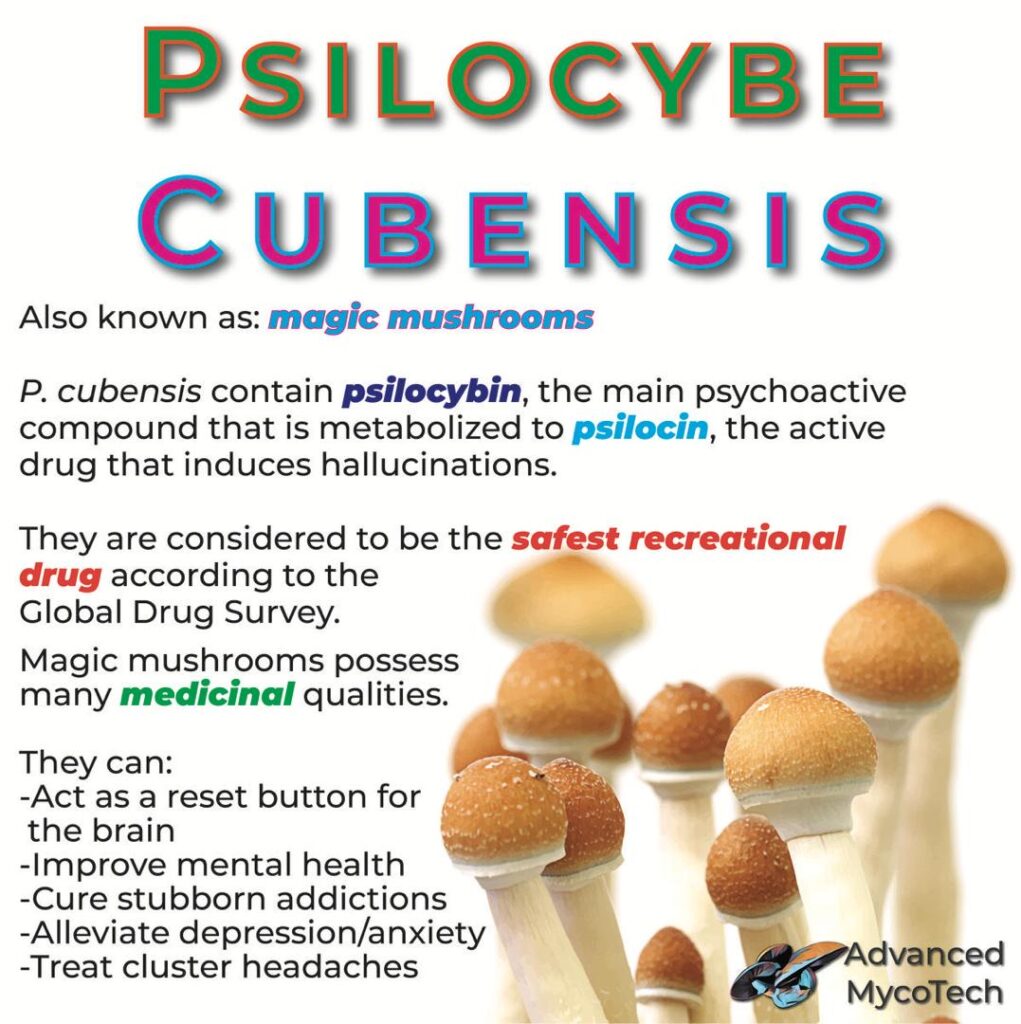
Psilocybe Cubensis
22
Jun
Jun
Psilocybe Cubensis is one of the most widely recognized species of fungi in the Psilocybe genus. Native to tropical and subtropical regions around the world, it naturally grows in warm, humid environments and has been studied for its unique chemical composition and historical significance. Over the years, this mushroom species has attracted interest from researchers, mycologists, and historians because of its naturally occurring compounds and its role in traditional cultural practices in some regions.
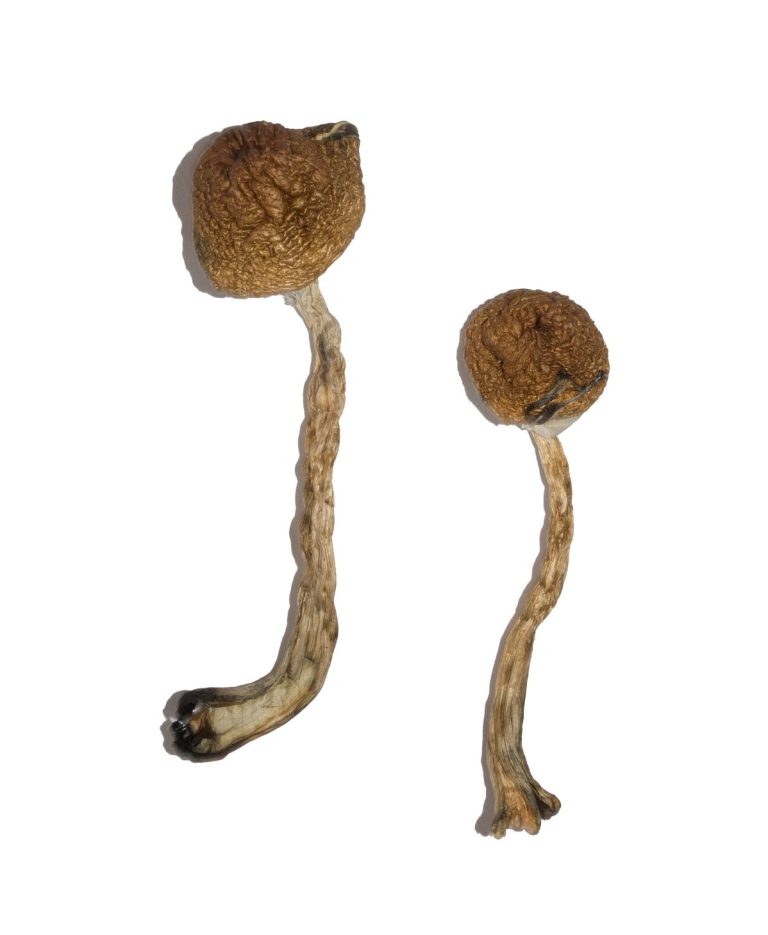
The appearance of Psilocybe Cubensis typically includes a golden to caramel-colored cap, pale stem, and dark purple-brown spores. Several naturally occurring varieties and cultivated strains have been identified, each with slight differences in appearance, growth characteristics, and potency.
Today, Psilocybe Cubensis is widely discussed in scientific literature, particularly regarding its chemistry, taxonomy, cultivation biology, and ongoing clinical research involving its naturally occurring compounds. However, its legal status varies significantly between countries and jurisdictions, and it is important to understand and comply with local laws.
Botanical Characteristics
Psilocybe Cubensis belongs to the following classification:
- Kingdom: Fungi
- Division: Basidiomycota
- Class: Agaricomycetes
- Order: Agaricales
- Family: Hymenogastraceae
- Genus: Psilocybe
- Species: Psilocybe Cubensis
The mushroom generally grows in nutrient-rich environments within warm climates, particularly after periods of rainfall.
Physical Appearance
Typical characteristics include:
- Golden to light brown cap
- White to cream-colored stem
- Dark purple-brown spore print
- Bluish discoloration when bruised
- Medium to large fruiting bodies
The exact appearance may vary depending on environmental conditions and genetic variation.
Naturally Occurring Compounds
Psilocybe Cubensis contains several naturally occurring compounds, including:
- Psilocybin
- Psilocin
- Baeocystin (in smaller quantities)
- Norbaeocystin (trace amounts)
Researchers continue to study these compounds to better understand their chemistry and potential applications. Scientific interest has increased in recent years, although research is ongoing and many questions remain under investigation.
Areas of Scientific Research
Modern scientific research has explored the chemistry and pharmacology of psilocybin-containing mushrooms. Clinical studies are investigating psilocybin under carefully controlled conditions for several areas of mental health research. These studies are conducted under strict ethical and medical supervision, and their findings should not be interpreted as proof that these mushrooms are safe or effective treatments outside approved clinical settings.
Further research is needed to establish safety, effectiveness, appropriate dosing, and long-term outcomes.
Historical and Cultural Significance
For centuries, certain indigenous cultures have incorporated psilocybin-containing mushrooms into ceremonial and spiritual traditions. Historians and anthropologists continue to study these practices to better understand their cultural importance and historical context.
Today, Psilocybe Cubensis is also of interest within the fields of ethnobotany, mycology, and natural product chemistry.
Legal Considerations
The legal status of Psilocybe Cubensis differs widely across countries and regions. In many places, possession, cultivation, sale, or use may be restricted or prohibited by law, while some jurisdictions permit limited medical research or have decriminalized certain activities.
Anyone interested in learning more about this species should review the laws that apply in their local jurisdiction before engaging in any activity involving it.
Storage and Preservation
When legally possessed for approved scientific, educational, or research purposes, fungal specimens should generally be:
- Stored in a cool, dry environment.
- Protected from moisture.
- Kept in airtight containers when appropriate.
- Shielded from direct sunlight.
- Clearly labeled for identification.
Proper storage helps preserve specimen quality for observation or research.
Advantages of Psilocybe Cubensis
Although Psilocybe Cubensis is primarily discussed in scientific and educational contexts, several characteristics make it an important subject of study.
1. Scientific Interest
The species has become one of the most extensively researched mushrooms within the Psilocybe genus due to its chemistry and biological characteristics.
2. Rich Historical Background
Its documented use in certain traditional cultures provides valuable insight for historians, anthropologists, and ethnobotanists.
3. Educational Value
The mushroom serves as an important example in the study of fungal biology, taxonomy, ecology, and natural products.
4. Diverse Genetic Varieties
Numerous naturally occurring and cultivated strains have contributed to research on fungal diversity and genetics.
5. Expanding Clinical Research
Modern research continues to investigate psilocybin under controlled medical settings, increasing scientific understanding of its biological effects.
6. Ecological Importance
Like many fungi, Psilocybe Cubensis contributes to nutrient cycling and the decomposition of organic matter within ecosystems.
7. Contribution to Mycology
The species has helped advance the scientific study of fungi and continues to be referenced in mycological literature.
Disadvantages of Psilocybe Cubensis
Despite its scientific interest, there are important considerations.
1. Legal Restrictions
Many countries regulate or prohibit possession, cultivation, or distribution, making legal compliance essential.
2. Potential Risks
Consumption can involve physical and psychological risks, and effects may vary significantly between individuals. It should not be considered risk-free.
3. Variable Composition
The concentration of naturally occurring compounds can differ between specimens, making potency unpredictable.
4. Misidentification
Wild mushrooms can resemble toxic species, making identification difficult without specialized expertise.
5. Limited Clinical Approval
Although research is progressing, psilocybin-containing mushrooms are not broadly approved medical treatments in most jurisdictions.
6. Ongoing Research
Many scientific questions remain unanswered, including long-term safety, optimal clinical protocols, and broader therapeutic applications.
7. Regulatory Challenges
Changing laws and regulations may affect research, education, and access across different regions.
Who May Be Interested in Learning About Psilocybe Cubensis?
Educational information about this species may be relevant to:
- Mycology students
- Researchers
- Botanists
- Ethnobotanists
- Historians
- Natural product scientists
- Biology educators
- Individuals interested in fungal biodiversity