
No products in the cart.
Psychedelics Mushrooms USA
Psilocybe Cubensis | Magic Mushrooms
12
Jun
Jun
Psilocybe Cubensis | Magic Mushrooms is one of the best-known species of psilocybin-containing mushrooms. Found in tropical and subtropical regions around the world, this species has become the focus of increasing scientific interest due to the presence of psilocybin, a naturally occurring psychedelic compound. Researchers continue to investigate the effects of psilocybin on the brain, its influence on consciousness, and its potential role in mental health treatment under carefully controlled conditions.
Although Psilocybe Cubensis | Magic Mushrooms has gained widespread attention in popular culture, discussions about these mushrooms should be grounded in evidence-based information that recognizes both their potential and their limitations.
What Are Psilocybe Cubensis | Magic Mushrooms?
Psilocybe cubensis is a species of mushroom belonging to the Hymenogastraceae family. It is one of the most commonly recognized psilocybin-containing mushrooms and has been the basis for many well-known varieties discussed in psychedelic communities.
These mushrooms naturally contain psilocybin and psilocin, compounds capable of producing changes in perception, mood, and cognition.
Because environmental conditions, genetics, and handling practices influence chemical composition, the concentration of psychoactive compounds can vary substantially among specimens.
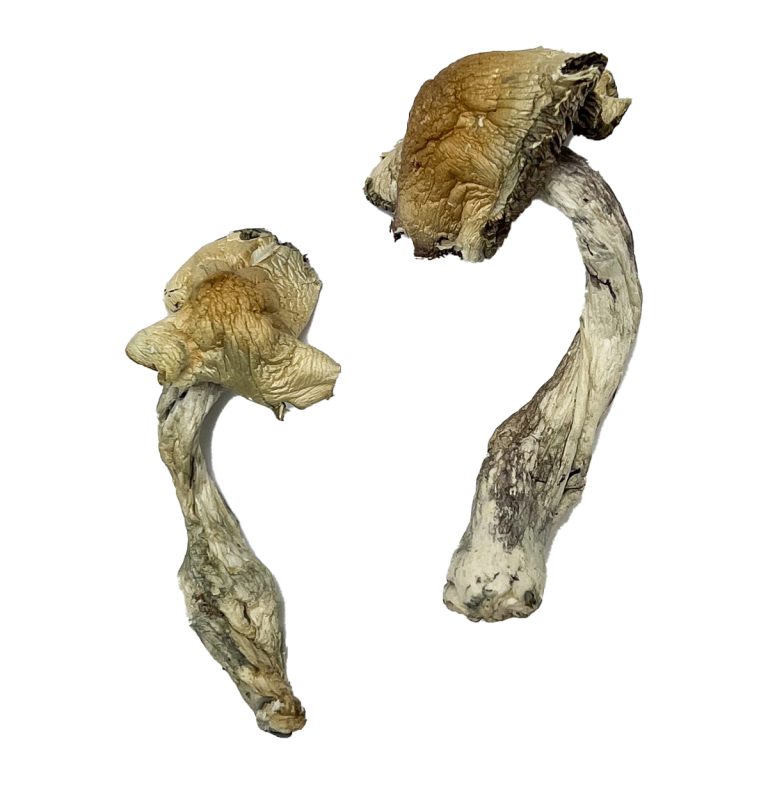
Physical Characteristics Psilocybe Cubensis | Magic Mushrooms
Typical features of Psilocybe cubensis include:
- Golden to caramel-colored caps
- White to pale stems
- Dark purple-brown spore prints
- Blue bruising when damaged
- Medium to large fruiting bodies
Appearance can vary depending on growing conditions and genetic variation.
Active Compounds
The primary psychoactive compounds found in Psilocybe cubensis are:
Psilocybin
Psilocybin is converted by the body into psilocin after ingestion.
Psilocin
Psilocin interacts with serotonin receptors in the brain, particularly the 5-HT2A receptor, contributing to changes in perception, thought patterns, and emotional processing.
Researchers continue to study how these compounds influence brain activity and psychological experiences.
Potential Advantages Psilocybe Cubensis | Magic Mushrooms
The following advantages reflect emerging scientific interest and commonly reported observations rather than established medical conclusions.
1. Growing Mental Health Research
Psilocybin is being studied extensively for its potential therapeutic applications in carefully supervised environments.
2. Enhanced Self-Reflection
Some participants report gaining insight into personal habits, relationships, and emotional responses.
3. Increased Psychological Flexibility
Researchers suggest psilocybin may temporarily disrupt rigid patterns of thinking associated with emotional distress.
4. Emotional Processing
Some individuals describe becoming more aware of unresolved emotions and experiences.
5. Appreciation of Sensory Experiences
Users frequently report heightened awareness of visual, auditory, and environmental stimuli.
6. Contribution to Neuroscience
Research involving psilocybin has advanced understanding of brain connectivity, consciousness, and cognitive processes.
7. Historical and Cultural Significance
Psilocybin-containing mushrooms have been used in various traditional practices throughout history, contributing to their anthropological importance.
Potential Disadvantages Psilocybe Cubensis | Magic Mushrooms
Despite increasing interest, Psilocybe cubensis mushrooms also present notable concerns.
1. Unpredictable Experiences
Psychological responses vary greatly depending on individual circumstances and environmental factors.
2. Anxiety and Emotional Distress
Some individuals may experience fear, panic, confusion, or emotional discomfort.
3. Impaired Judgment
Altered states of consciousness can affect decision-making abilities and situational awareness.
4. Variable Potency
Naturally occurring mushrooms may contain inconsistent concentrations of psychoactive compounds.
5. Legal Restrictions
The legality of psilocybin-containing mushrooms differs substantially across countries and jurisdictions.
6. Drug Interactions
Psilocybin may interact with prescription medications or underlying health conditions.
7. Limited Long-Term Research
Although scientific findings are promising, many questions regarding long-term effects remain unanswered.
8. Risk of Misidentification
Collecting wild mushrooms carries serious dangers because toxic species can resemble psilocybin-containing mushrooms.
Conclusion
Psilocybe Cubensis | Magic Mushrooms remain one of the most recognized species of psilocybin-containing fungi and continue to attract interest from researchers studying mental health, consciousness, and neuroscience. Their active compounds have demonstrated intriguing effects on mood, perception, and cognition within controlled scientific settings.
At the same time, these mushrooms present important risks and limitations, including unpredictable psychological responses, legal considerations, inconsistent potency, and limited long-term data. A balanced understanding of both the potential advantages and disadvantages is essential for anyone seeking accurate information about this evolving field of research.
As psychedelic science advances, evidence-based discussion and continued investigation will remain critical to understanding the role of psilocybin in medicine, psychology, and society.