
No products in the cart.
Psychedelics Mushrooms USA
Magic mushrooms can actually be used to treat severe psychological distress, anxiety and depression.

10
Jun
Jun
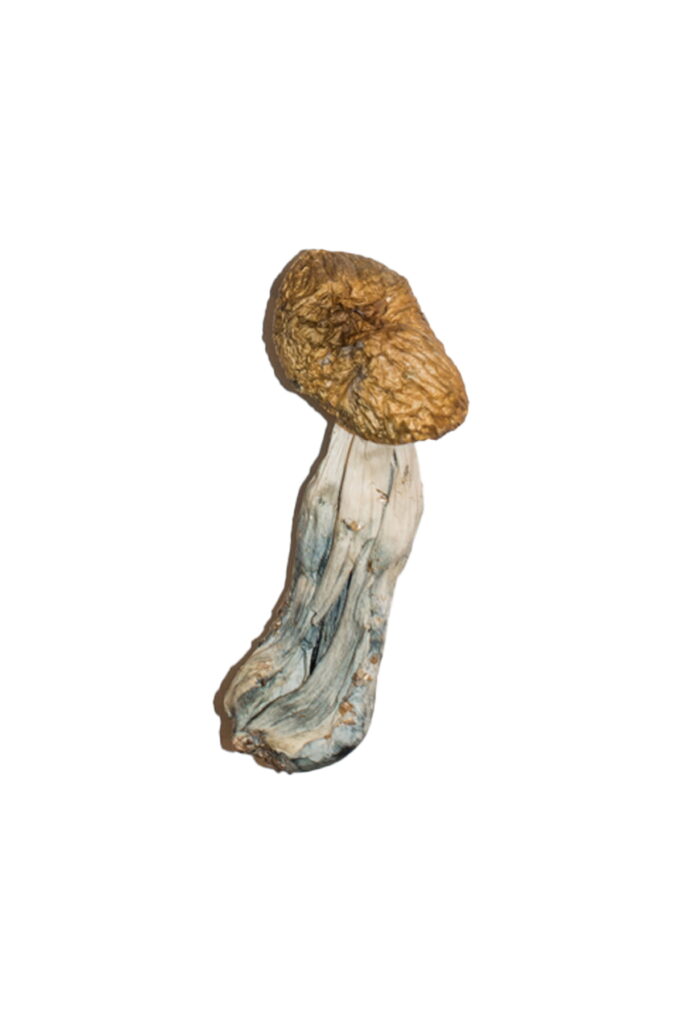
Magic mushrooms can actually be used to treat severe psychological distress, anxiety and depression due to their great potency level and high substance to humans. Magic mushrooms are naturally occurring fungi that contain psilocybin, a psychedelic compound that has become the focus of growing scientific interest. In recent years, researchers have explored whether psilocybin-assisted therapy may help individuals experiencing severe psychological distress, anxiety, depression, and other mental health challenges. While research remains ongoing, early findings have generated significant interest among scientists, clinicians, and mental health professionals.
Magic mushrooms can actually be used to treat severe psychological distress, anxiety and depression as is important to understand that most positive findings have come from carefully controlled clinical settings where psilocybin is administered under professional supervision. The results observed in research studies should not be interpreted as proof that unsupervised use is safe or effective. Magic mushrooms can actually be used to treat severe psychological distress, anxiety and depression
Understanding Psilocybin and the Brain
Psilocybin is converted by the body into psilocin after consumption. Psilocin interacts with serotonin receptors in the brain, particularly the 5-HT2A receptor. Serotonin plays an important role in regulating mood, emotion, perception, and cognition.
Researchers believe that psilocybin may temporarily alter communication patterns within the brain. Some studies suggest that these changes may help reduce rigid patterns of thinking often associated with depression and anxiety.
Many individuals suffering from depression report becoming trapped in cycles of negative thoughts, self-criticism, and hopelessness. Psilocybin may help disrupt these patterns, allowing individuals to explore alternative perspectives and emotional responses.
Potential Role in Treating Depression
Depression affects millions of people worldwide and can significantly impact quality of life. Traditional treatments such as antidepressant medications and psychotherapy are effective for many individuals, but some patients continue to experience symptoms despite treatment.
Research into psilocybin-assisted therapy has produced promising results in certain cases. Participants in clinical trials have reported reductions in depressive symptoms following carefully supervised treatment sessions.Magic mushrooms can actually be used to treat severe psychological distress, anxiety and depression and there several theories for this.
Several theories attempt to explain these outcomes:
- Increased emotional openness
- Reduced negative thought loops
- Enhanced self-reflection
- Greater psychological flexibility
- Improved sense of connectedness
Some participants have described gaining new perspectives on personal challenges, relationships, and life circumstances. These experiences may contribute to improvements in emotional well-being when integrated through professional therapy.
Addressing Psychological Distress
Anxiety disorders can involve persistent worry, fear, and emotional distress. Researchers are investigating whether psilocybin-assisted therapy may help certain individuals better understand and manage anxiety-related thought patterns.
Some participants in clinical studies have reported:
- Reduced feelings of fear
- Greater emotional acceptance
- Increased mindfulness
- Improved coping skills
- Enhanced resilience
Psilocybin experiences often encourage individuals to confront emotions rather than avoid them. Under professional guidance, this process may help some people develop healthier responses to anxiety-provoking situations.
Addressing Psychological Distress
Psychological distress can arise from trauma, grief, chronic illness, life transitions, and other challenging experiences. Researchers have explored whether psilocybin-assisted therapy may help individuals process difficult emotions and experiences more effectively.
In studies involving patients facing serious medical conditions, some participants reported:
- Reduced existential distress
- Greater acceptance of uncertainty
- Improved emotional well-being
- Increased sense of meaning and purpose
Researchers continue to investigate how these experiences influence long-term mental health outcomes.
Advantages of Psilocybin Research
1. Potential for Rapid Improvements
Some clinical participants report noticeable improvements in mood within a relatively short period compared to certain conventional treatments.
2. Enhanced Emotional Processing
Psilocybin may help individuals engage with emotions, memories, and experiences that have been difficult to address through traditional approaches alone.
3. Increased Self-Awareness
Many participants describe gaining deeper insight into personal behaviors, thought patterns, and emotional responses.
4. Reduced Psychological Rigidity
Researchers believe psilocybin may temporarily increase cognitive flexibility, allowing individuals to break free from entrenched negative thinking patterns.
5. Growing Scientific Support
An increasing number of universities and medical institutions are conducting research into psychedelic-assisted therapies, expanding knowledge about potential benefits and risks.
6. Potential Support for Treatment-Resistant Conditions
Researchers are particularly interested in exploring whether psilocybin-assisted therapy may benefit individuals who have not responded adequately to conventional treatments.
Disadvantages and Limitations
Despite encouraging research findings, psilocybin is not without risks.
1. Intense Psychological Experiences
Psychedelic experiences can be emotionally challenging. Some individuals may experience fear, confusion, anxiety, or distress during sessions.
2. Not Suitable for Everyone
Certain individuals, particularly those with a history of psychotic disorders or specific psychiatric conditions, may face increased risks.
3. Limited Long-Term Data
Although research is expanding, scientists continue to study the long-term safety and effectiveness of psilocybin-assisted therapy.
4. Need for Professional Supervision
Most successful research outcomes involve extensive preparation, professional monitoring, and post-session integration therapy.
5. Legal Restrictions
The legal status of psilocybin varies significantly between jurisdictions. Access to treatment may be limited depending on local regulations.
6. Variable Responses
Not every individual experiences positive outcomes. Some participants may experience little benefit or temporary worsening of symptoms.
7. Potential Drug Interactions
Psilocybin may interact with medications or underlying health conditions, making professional medical evaluation important.
The Importance of Therapeutic Support
One of the most important findings from current research is that therapeutic support appears to play a critical role in treatment outcomes.
Clinical protocols often include:
- Psychological screening
- Preparation sessions
- Supervised treatment sessions
- Ongoing monitoring
- Integration therapy
These components help participants understand and process their experiences while reducing potential risks.